
Home / Lectures / Mary Blair-Loy, University of California San Diego
Reconceiving Merit and Devotion at Work, with Evidence-Based Illustrations from Academic Careers
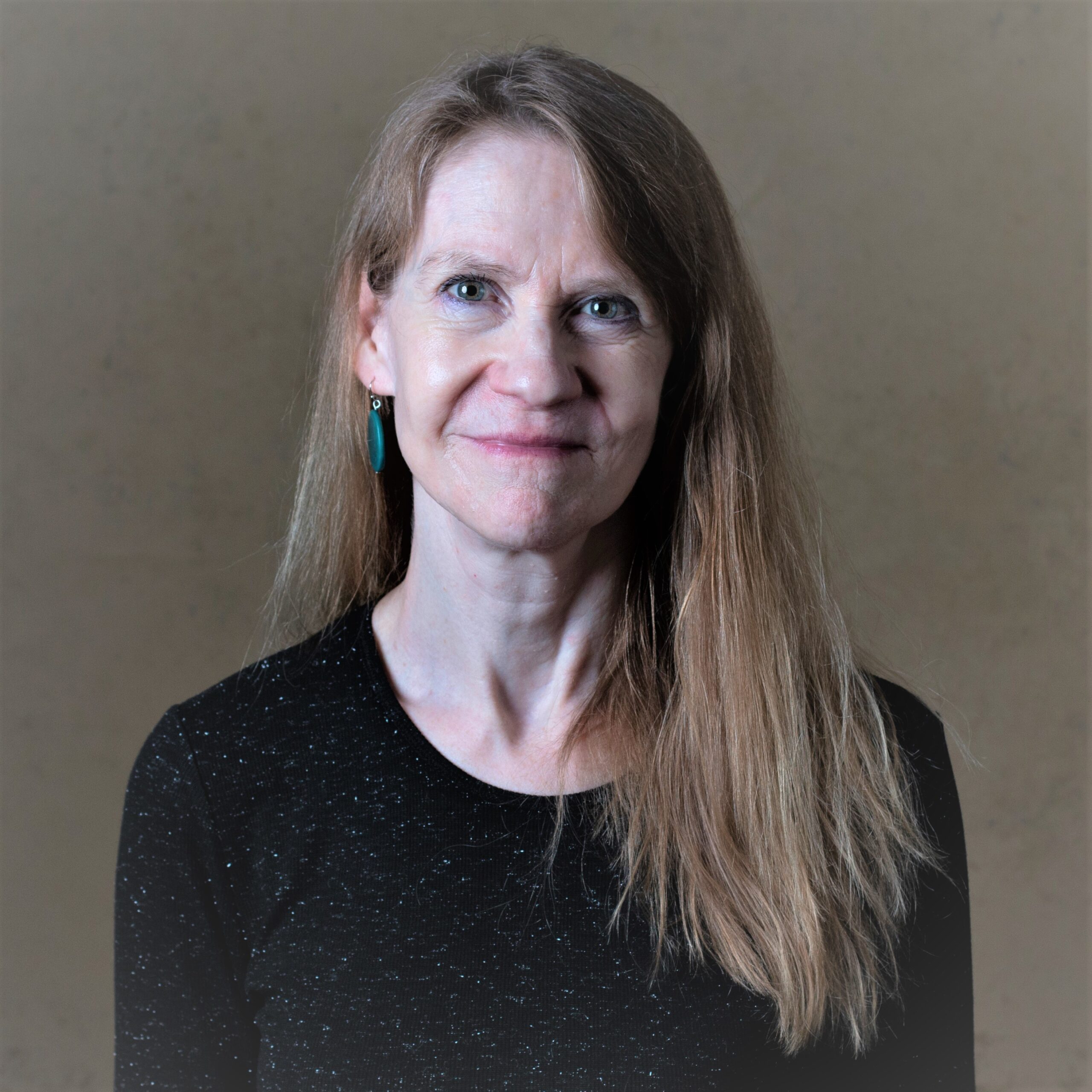
Mary Blair-Loy, University of California San Diego
Description
Semester:
- Fall 2026
Speakers:
University of California San Diego
Lecture Time:
Fri, October 2, 2026 @ 1:30 pm to 3:00 pm
Lecture Location:
R2240, Ross building
Speaker Webpage(s):
Introduced By:
Alex Chin
Abstract
Reconceiving Merit and Devotion at Work, with Evidence-Based Illustrations from Academic Careers
This paper draws on research to argue that the cultural schema of work devotion – the cognitive, emotional and moral understanding of work as a calling and an ostensible marker of merit– promises a workplace community and a sense of purpose. These rewards are consistent with the biological propensity for social connections, which can help protect our physical and mental health. However, the benefits of work devotion are not equally available to all socio-demographic groups. Further, the work devotion mandate can feel coercive, justify overwork, deplete engagement with family and community, and lead to moral distress. The paper presents evidence from the exemplar case of academic science to illustrate how small, locally led changes in the department, framed as consistent with professional values of merit and devotion, could allow scholars to benefit more equally from the work devotion schema while also mitigating some of its detriments.
Recording & Additional Notes
Mary Blair-Loy (she/her) is a Professor of Sociology at UC San Diego. She uses multiple methods to study gender, work, and family, focusing on normative cultural understandings of a worthwhile life. These include the work devotion schema (which defines professional work as a calling that penalizes involved caregiving) and the schema of scientific excellence (which valorizes culturally masculine traits such as assertive self-promotion and displays of individual brilliance). Her books show that these cultural schemas are broadly embraced yet can be harmful for diverse professionals and for science. She also studies the gender glass ceiling in the U.S. and Norway.